
There’s a moment on Highway 16 where Innisfree almost slips past you. One minute you’re moving through open farmland east of Edmonton, the next there’s a small cluster of buildings, a side road, and a name that sounds like it belongs somewhere greener and farther away. Innisfree doesn’t announce itself. It just waits to be noticed.
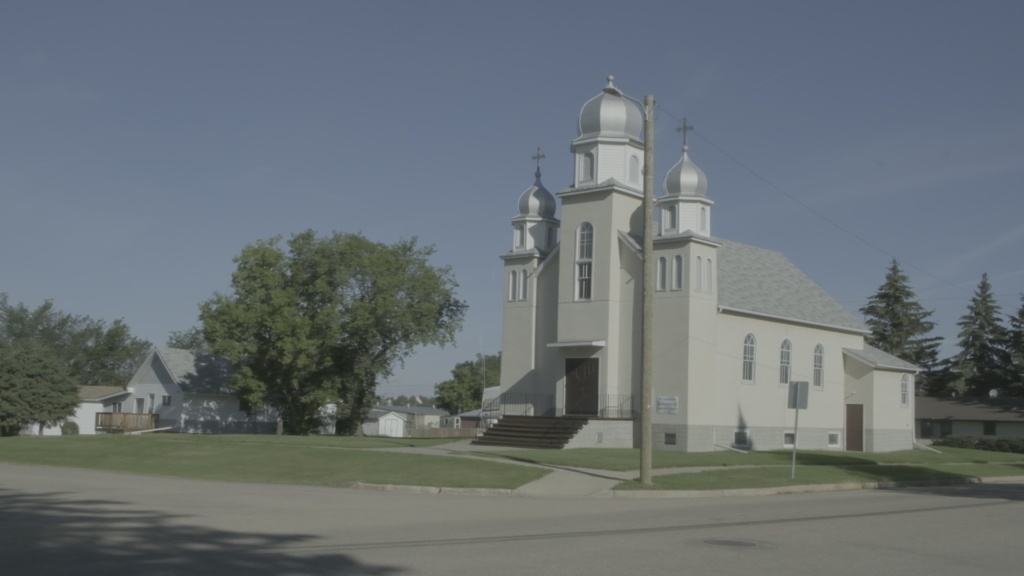
The first impression is calm. Flat prairie light, wide sky, and a town that feels settled rather than busy. You get the sense that nothing here is in a rush, and that’s not accidental. This place grew up around patience: farming seasons, rail schedules, and the steady rhythm of people who planned to stay.
Innisfree began in the early 1900s, first known as Delnorte, a name chosen by early homesteaders arriving in the area. The Canadian Northern Railway reached the settlement in 1905, and like so many prairie towns, that line shaped everything that followed. Grain, supplies, mail, and people flowed through on steel rails, anchoring the community to the wider world while still keeping it firmly rural. Agriculture wasn’t just the economic engine; it was the reason the town existed at all.
Not long after, the town’s identity shifted in a way that still feels slightly improbable. Sir Byron Walker, president of the Canadian Bank of Commerce, passed through and was reminded of The Lake Isle of Innisfree, the Irish poem by W.B. Yeats. The name stuck. In exchange, Walker supported the construction of a proper bank building, one that still stands today near the old rail line. It’s now the Prairie Bank of Commerce Museum, a quiet reminder that even the smallest places can have surprising connections.
One of the things that stands out when you drive through is how much of Innisfree’s past is still visible. The bank building hasn’t been swallowed by time or replaced by something shinier. The rail corridor still traces the edge of town. Even the street layout feels like it was designed for wagons and grain trucks long before SUVs showed up.
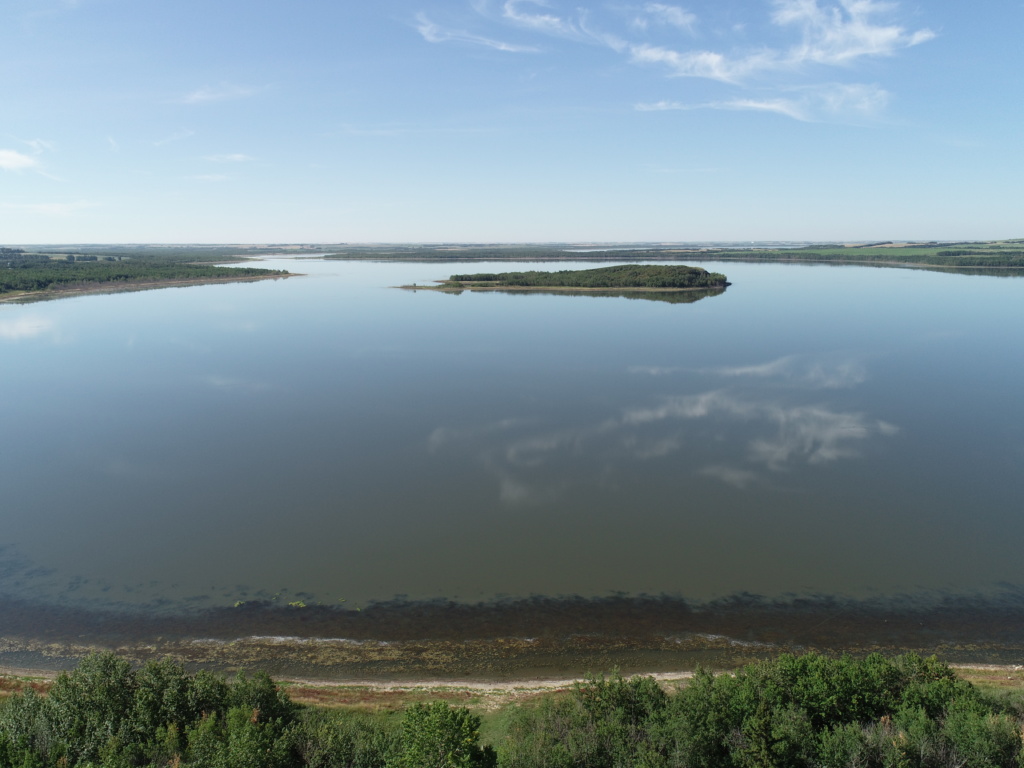
There are small details that give the town its personality. Birch Lake sits just nearby, still used for recreation, just as it was when it helped inspire the town’s name. Local events and community gatherings continue to pull people together, not because they’re flashy, but because that’s how things have always worked here. And if you linger long enough, you’ll notice how often people wave, even if they don’t recognize you. It’s not a gesture of curiosity, it’s a habit.
Driving slowly through Innisfree, it’s hard not to feel like the town is comfortable with what it is. It never grew large, and it never needed to. Population numbers have stayed modest for decades, but the place itself hasn’t thinned out. It’s solid. Grounded. Still doing the job it was built to do.
Innisfree today isn’t frozen in time; it’s simply continuous. A farming town shaped by rails, renamed by a poem, and carried forward by people who understand the value of staying put. You don’t come here for spectacle. You come here to understand how places like this hold the countryside together, one quiet intersection at a time.
And when you pull back onto the highway, there’s a good chance you’ll check your mirror, not because you missed something, but because you want one last look.