Driving northeast from Calgary, the prairie stretches wide and steady, and then Three Hills appears—compact, practical, and framed by the three modest rises that gave the town its name. They’re not mountains, not even dramatic hills, but they’re enough to catch the eye in a landscape where every contour matters. The town sits at about 900 meters above sea level, and from the highway you notice how the streets run neat and square, a reminder of its railway-era planning.
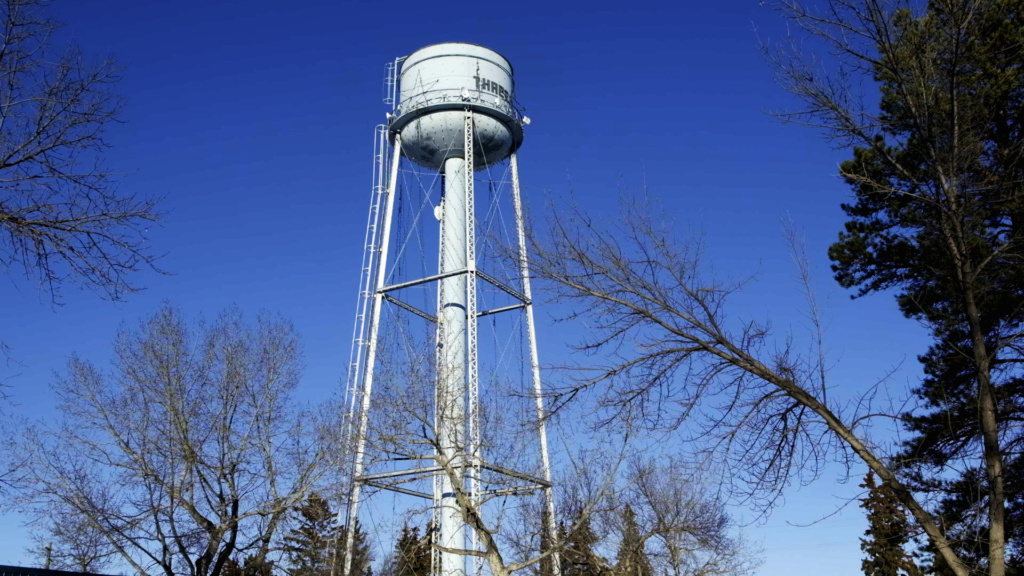
Three Hills began with a post office in 1904, serving scattered farmers and ranchers. By 1912, the settlement shifted to its current site along the Grand Trunk Pacific Railway, a move that secured its future. The railway brought grain, goods, and people, and by 1929, Three Hills had grown into a town. Farming shaped its early rhythm, but education quickly became part of its identity too—Prairie Bible Institute, founded in 1922, grew into Prairie College, a campus that still anchors the community today.
You notice history in small ways. The Kneehill Historical Museum, tucked into railcars and heritage buildings, feels like a time capsule of prairie life. There’s a quiet pride in the way artifacts are displayed—tools, clothing, and everyday items that once defined survival here. And then there’s the annual Three Hills Cruise Weekend, when the streets fill with classic cars, and the town transforms into a rolling showcase of chrome and nostalgia. It’s not just about the cars; it’s about the way a small town can suddenly feel like the center of the universe for a weekend.
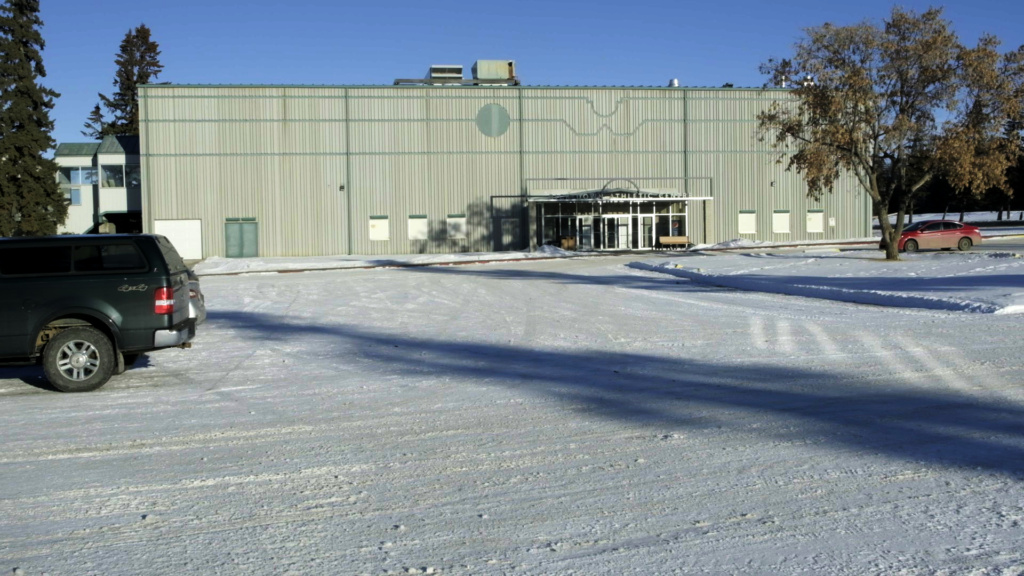
One of my favourite quirks is how the hills themselves are almost shy. Locals will point them out, but you might miss them if you’re expecting grandeur. They’re more like gentle reminders that even small features can define a place. Another is the way Prairie College’s campus seems to spill into town life—students from around the world walking the same streets as farmers who’ve lived here for generations. And then there’s the grain elevator, a familiar silhouette against the sky, still standing as a marker of the town’s agricultural roots.
Three Hills today has just over three thousand residents. It’s steady, not booming, but it doesn’t feel stuck either. The hills are still there, the railway tracks still matter, and the college still draws people in. Driving out, you realize the town’s story isn’t about dramatic change—it’s about continuity. A place shaped by farming, faith, and the railway, still carrying those threads into the present.
It’s the kind of town where the name makes you smile once you’ve seen the hills, where the museum feels like a neighbour’s attic, and where a weekend car show can make the streets hum louder than the trains ever did. Three Hills doesn’t demand attention, but it rewards it—quietly, steadily, and with a sense of place that lingers long after you’ve driven on.